The Cowboy Carter Ledger
Beyonce's country album dropped in March 2024. Here is the ledger on what it did to the closet, eighteen months in.
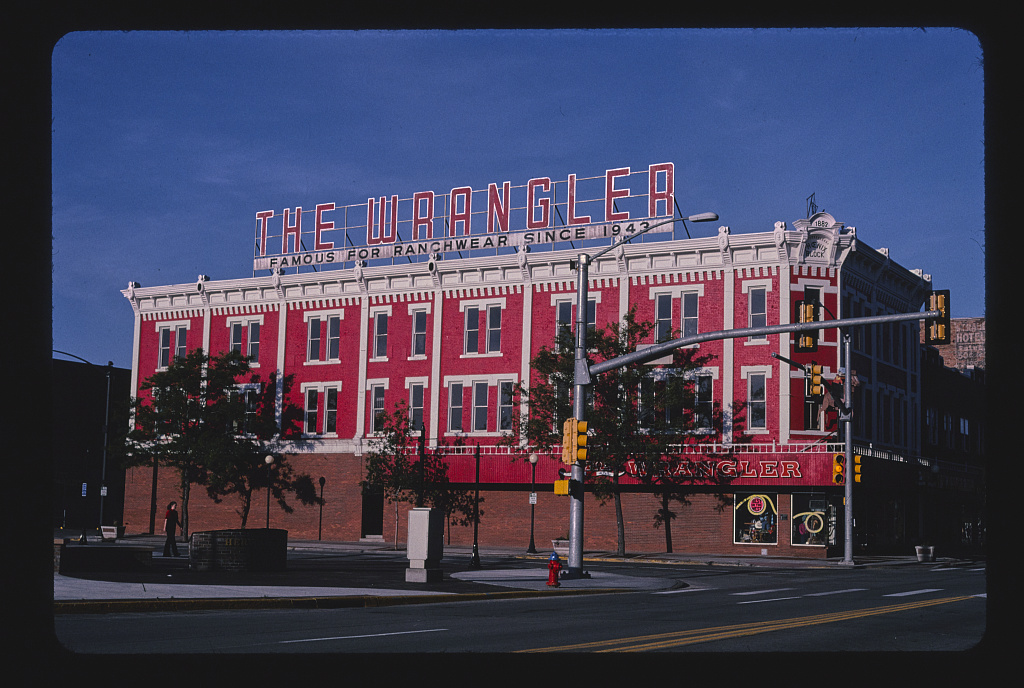
The number is $1.2 million.
That is how much extra denim Levi's sold in the two weeks after Cowboy Carter dropped. Not the album. The song. One track, "Levii's Jeans," 2 minutes 56 seconds, with Beyonce singing the brand name into the chorus. Two weeks. $1.2 million.
This is not a story about a moment. This is a story about a ledger. Beyonce released Cowboy Carter on March 29, 2024. The album won the Grammy for Album of the Year and Best Country Album in February 2025. Her Cowboy Carter Tour grossed $407.6 million across 32 shows in 90 days in 2025, the fastest tour in Billboard Boxscore history to cross $400 million. About 1.6 million tickets sold. Largest country crossover gross from a non-country-native artist on record.
The Western fashion category had been growing before Cowboy Carter. Tecovas was already on its way to $250 million in revenue. Boot Barn was already opening stores. Wrangler's Western segment was already running. The growth charts were already up and to the right.
But growth and rocket fuel are different things.
The Levi's Case
Levi's is the cleanest documented case. The brand was directly referenced in the album. The brand built a campaign around it. The brand has earnings reporting that lets us check the math.
Within forty-eight hours of the "Levii's Jeans" track dropping, Levi's launched a campaign called REIIMAGINE. The campaign's media impact value clocked in at approximately $5 million in two days. Levi's reported a 19.9 percent increase in brick-and-mortar store visits during the campaign window. And the brand attributed roughly $1.2 million in incremental sales to the song itself within two weeks of release.
Two weeks. One song. $1.2 million.
Growth and rocket fuel are different things.
For a brand of Levi's scale, $1.2 million in two weeks is not company-saving. But it is exceptionally clean attribution. The marketing world spent the previous decade arguing about whether celebrity partnerships even generate measurable lift. Cowboy Carter answered the question. The lift is real, it is fast, and it is traceable.
The Houston Stop
When the tour reached Houston for a two-night stand, Visit Houston reported the city took in more than $50 million in local spending across hotels, food and beverage, retail, and ground transportation. The Cowboy Carter Tour was not the first concert to clear $50 million in a single city. But the composition of the spending was different.
Small Western retailers reported the largest weekend sales of their existence. Rock'em, a Houston-based Western shop, told the Houston Chronicle their cowboy hats sold out within hours each time they restocked. Restocks ran into the next week. The lift did not end with the show.
This is what brand impact at scale actually looks like. Not a brand mention. A brand category, in a real city, getting bought down to the floor.
What Pharrell Did Two Months Earlier
Two months before Cowboy Carter dropped, Pharrell Williams sent his Louis Vuitton Fall/Winter 2024-25 men's collection down a runway in Paris. The collection was called "Paris, Virginia." It included cowboy hats, denim, plaid, fringe, and cow-print. There was a Pharrell x Timberland x LV cowboy boot capsule. The collection included consultative work with Dakota and Lakota tribal artists.
The collection was a luxury house's bet, two months before Beyonce's bet, that Western design was about to matter at the highest tier of fashion. Both bets paid.
What Pharrell got that almost no one else got is that the Cowboy Carter moment was not a moment of cowboy nostalgia. It was a moment of cowboy expansion. The audience for Western design widened. Gen Z and millennial women of color, who had historically been outside the Western retail bullseye, entered the category as buyers. Independent Western brands reported their first significant inflows of customers who had never bought a cowboy hat before.
The Spillover
The data tells the same story across platforms.
Shopify reported a 141 percent year-over-year increase in cowboy hat sales across its merchant network in the months following Cowboy Carter's release. Depop, where the resale market lives, saw an 85 percent surge in searches for "cowgirl boots" and "cowboy boots" within weeks of the album.
Tecovas, which had been growing fast already, reported its strongest growth quarters in company history during the back half of 2024. The brand crossed $250 million in revenue that year and started telling investors it was targeting $1 billion by 2030.
Boot Barn, the public retail chain, finished fiscal 2025 at $1.91 billion in revenue, up 14.6 percent year-over-year, and announced plans to open seventy more stores in fiscal 2026 with a long-term target of 1,200 stores. Kontoor Brands, which owns Wrangler, reported the Western segment was tracking toward double-digit growth and committed an additional $8 million in brand investment in Q4 2025, primarily to Wrangler.
These were not all Cowboy Carter. The category had structural momentum already. But the album was the accelerant that took 2024 from a growth year to the year the category stopped being a category and started being culture.
What Stayed
The question that matters now, eighteen months after release, is whether the lift held.
The cleanest read is from the public companies. Boot Barn's FY2026 guidance projects 15 to 17 percent revenue growth on top of the FY2025 base. Kontoor's Wrangler Western segment is still trending double-digit. Tecovas opened a SoHo flagship in August 2025 and announced a $1 billion 2030 target. None of these brands are pulling back. The base has reset higher and is compounding from there.
The harder read is at the small retailer level. Rock'em did not publish 2025 numbers. The Shopify 141 percent figure was a 2024 snapshot, not a sustained run rate. The Depop 85 percent search surge has faded into the platform's broader category strength but has not returned to pre-Cowboy Carter levels.
What appears to have happened is what almost never happens with culture-driven retail spikes: the floor moved up. The Cowboy Carter customer who bought her first cowboy hat in April 2024 went back for boots in October 2024. She went back for a denim jacket in 2025. The first purchase was a moment. The fifth was a habit.
The Receipts
The Cowboy Carter ledger, in dollars and percentages we can name:
- $407.6 million in Cowboy Carter Tour gross.
- $50 million-plus in Houston spending across one weekend.
- $1.2 million in Levi's incremental sales in two weeks from one song.
- $5 million in media impact value for the REIIMAGINE campaign in 48 hours.
- 19.9 percent lift in Levi's brick-and-mortar visits.
- 141 percent year-over-year cowboy hat sales spike across Shopify merchants.
- 85 percent surge in cowboy boot searches on Depop.
- $250 million in Tecovas revenue crossed that year.
- $1.91 billion in Boot Barn FY2025 revenue, up 14.6 percent.
These are the receipts.
Eighteen months later, in a Western shop in Houston that almost no one outside Houston has heard of, the hats are still coming in by the case. They are still going out. The store is still restocking. The customer who walked in for the first time in April 2024 has been back five times since.
The album finished playing. The closet did not close.
The editorial voice of country and Western fashion. Written by the editors of Boot & Brim.
The Last Tailor of Lower Broad
Manuel Cuevas is ninety-three. He still cuts every suit himself. A morning in the workshop with the man who made country music wear its clothes.
Why the Pearl Snap Won
The button gave way to the snap because of a horse. A short history of the most copied detail in Western wear.
The Tecovas Question
Two hundred and fifty million dollars in revenue. A SoHo flagship. A target of one billion by 2030. What happened when the cowboy boot got an MBA.